Gum Disease
The Path to Healthy Gum Starts Here

Gum disease can have a detrimental effect on both your oral health and your overall health. The team at Dimos Dental are here to help.

Girl smiling after dentist appointment
Questions?
Learn More

Treating Gum Disease In Melbourne's CBD


Gingivitis

Gingivitis is a superficial inflammation of the gums whereby they bleed, redden and swell due to bacteria in the mouth.

If Gingivitis is left undiagnosed and untreated, it can progress to Periodontitis (gum disease), which has a more devastating effect on the mouth.


Periodontitis (Gum Disease)

Gum disease is a deeper infection of the gums resulting in loss of jaw bone and eventually tooth-loss. Like gingivitis, it presents with swollen and bleeding gums, however recession of the gums also occurs. Periodontal disease is often painless and patients may not realise it affects them. 


Signs of Gingivitis and/or Periodontal disease can include any of the following:

  • Bleeding gums
  • Dark pink, red or purple gums
  • Heavy calculus or tartar build-up on the teeth and below the gumline
  • Receding gums and exposed tooth root
  • Mobile teeth (teeth which can move)
  • Bad breath
  • Bad taste in the mouth
  • Painful gums – be careful as gum disease is usually painless, don’t wait!


Assessing & Treating Gum Problems

Research has shown relationships between active periodontal disease and many general health concerns.

Here at Dimos Dental and Facial Aesthetics, our highly qualified team of Oral Health Therapists (OHT) are your key to assessing, diagnosing, treating and managing gingivitis and gum disease. They utilise many different methods involved in assessing your gums, which includes but is not limited to the following procedures;

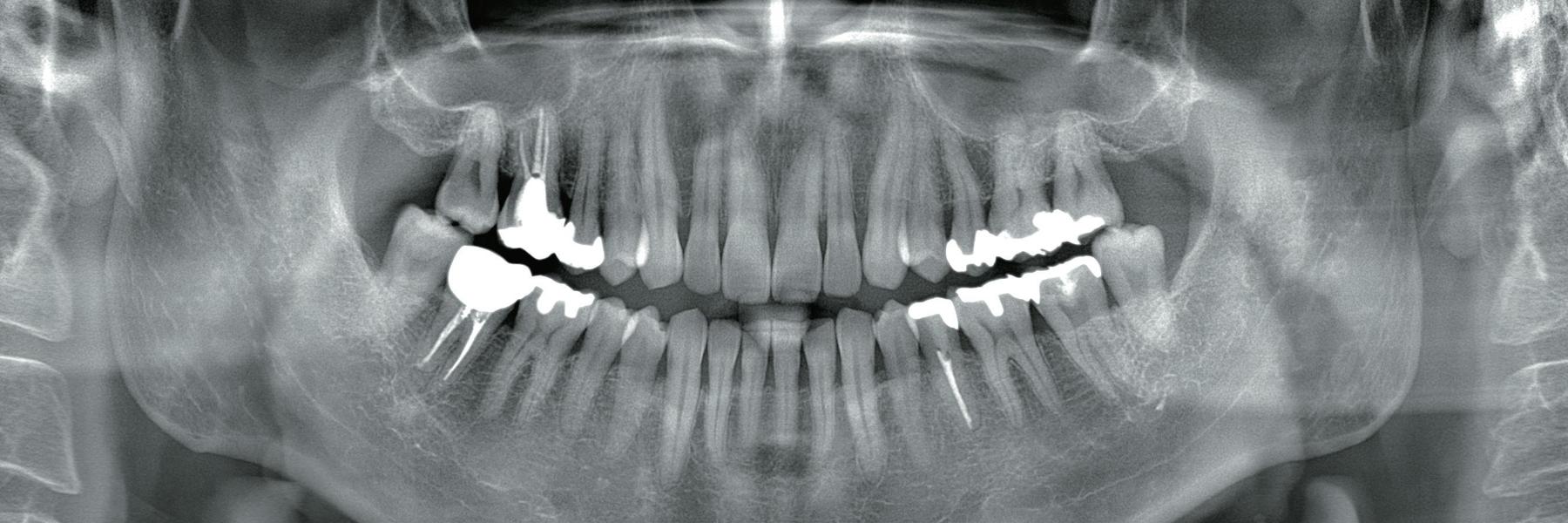
  • X-rays
  • Periodontal Charting/Probing
  • Mobility assessment 
  • Bleeding assessment 


The good news is that the effects of Gingivitis can be reversed, usually achieved with regular in-chair cleaning and adequate home care.

Unfortunately, the effects of Periodontal Disease are non-reversible. Gum Disease can only be controlled and well-managed; once the damage is done there is no going back.

The most important thing to understand about Gum Disease is that what is done at home is more important than what is achieved in the dental chair.


dental tool with gums


graphic of gum disease

Frequently Asked Questions

Untreated gum disease can have serious consequences:

  • Tooth loss: Infection destroys the bone supporting your teeth.
  • Increased risk of systemic diseases: Gum disease is linked to heart disease, stroke, diabetes complications, and more.
  • Impact on overall health and well-being: Chronic inflammation and potential tooth loss can negatively affect your self-confidence and quality of life.
 

Mouthwash is not considered essential in order to keep your teeth clean. Adequate brushing and regular flossing is usually more than enough. 

However, depending on your circumstances, certain rinses may be prescribed by your dental professional. Such rinses tend to aid in gum problems such as gingivitis or gum disease, however they should only be used short term due to side effects such as staining.  

Popular supermarket mouthwashes such as Listerine or Colgate provide minimal benefits but do help to provide that minty fresh feeling. If you are going to use such products, ensure they are alcohol free- this will limit the chances of dry mouth and reduce your risk of oral cancer.


Yes, smoking is a major risk factor for gum disease. It compromises your immune system, making it harder for the body to fight infection. Smoking also masks the signs of gum disease, leading to delayed treatment.

Excellent oral hygiene is your best defence. This includes:

  • Thorough brushing: Brush twice daily for a minimum of two minutes each time, using a soft-bristled toothbrush and fluoride toothpaste.
  • Cleaning between teeth daily: Use floss between teeth to remove plaque your toothbrush can't reach. If floss isn’t for you, give interdental brushes or a waterflosser a try.
  • Regular dental checkups and cleanings: Your hygienist can remove hardened plaque (tartar) which irritate the gums in order to reduce risk of gum disease developing/progressing.
 

Discomfort levels vary depending on the severity of your gum disease and the treatment needed. Scaling and deep cleaning might cause some sensitivity. Your hygienist can use local anaesthesia to numb the area. We will discuss pain management options to keep you comfortable.

Meet Our Team:

Headshot of Dr Chris Dimos at dental clinic in Melbourne

Dr Christopher Dimos
Principal Dentist- BDSc (Melb), FIADFE

Chris was born in Melbourne and graduated as a dentist from the University of Melbourne in 1986. Having commenced clinical practice on Collins St in 1989, he has been a Melbourne CBD dental practitioner for over 30 years. Chris is personally interested in cosmetic and restorative dentistry, especially in the field of implants. His other passion lies in the area of facial aesthetics, of which he has been a speaker and trainer. Chris is committed to continuing education and ...

Let us know how we can help you
Contact Us